
Explore free printable worksheets on Native American traditions that help students discover indigenous customs, ceremonies, and cultural heritage through engaging social‑study activities with answer keys. Resources include maps, reading passages, and vocabulary activities. Students deep understanding.

What Are Native American Worksheets?
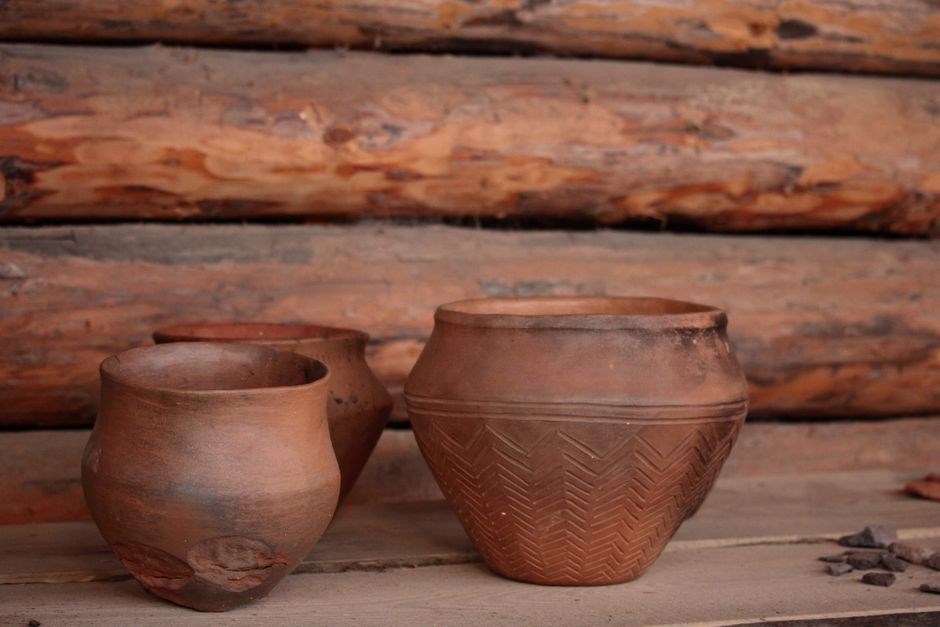
These printable worksheets are designed to introduce students to the rich tapestry of Native American history, traditions, and contemporary life. By combining maps, reading passages, vocabulary drills, and cultural‑ceremony activities, they encourage learners to explore indigenous customs, ceremonies, and cultural heritage beyond simple fact‑checking. Each worksheet comes with a complete answer key, allowing teachers to assess student understanding quickly and accurately. The materials are freely downloadable in PDF format, ensuring they can be distributed easily in classrooms, at home, or in community settings. Because the content is free, educators can adapt the worksheets to fit lesson plans, align with state standards, or supplement existing curricula. The emphasis on interactive, age‑appropriate activities helps students develop a deeper appreciation for the contributions of Native American communities while fostering critical thinking and cultural sensitivity. These resources are invaluable for educators seeking to enrich their curriculum with authentic perspectives that honor the diversity and resilience of Native American cultures. By engaging with these printable worksheets, learners can develop critical thinking skills, empathy, and a deeper appreciation for the rich diversity of indigenous peoples across North America. Teachers can use them as a starting point for discussions, projects, or cross‑disciplinary units that connect history, geography, literature, and art. The worksheets also support differentiated instruction, as they can be modified for various reading levels, learning styles, and classroom contexts. In addition, the inclusion of answer keys streamlines grading and saves valuable instructional time, allowing teachers to focus on facilitating deeper conversations and reflective learning experiences; Ultimately, these printable worksheets serve as a bridge between academic objectives and real‑world cultural understanding, preparing students to become informed, respectful, and engaged citizens in a diverse society.
Why PDFs Are Preferred for Printables
PDFs remain the gold standard for distributing educational worksheets because they preserve formatting, guarantee consistent layout across devices, and ensure that images, maps, and interactive elements appear exactly as intended. When teachers download a native‑American‑worksheet PDF, they can print it on any printer without the risk of shifting columns or misaligned text that often occurs with word‑processing files. The fixed‑layout nature of PDFs also protects the integrity of culturally sensitive illustrations and maps, which are essential for accurate representation of tribal territories and ceremonial sites. Moreover, PDFs are universally accessible; most operating systems, tablets, and smartphones include built‑in PDF viewers, allowing students to view or annotate the worksheets on a variety of devices. Because PDFs can embed fonts and graphics, the worksheets retain their visual appeal even when printed on low‑resolution printers. They also support secure features such as password protection or restricted editing, which can help teachers prevent accidental alterations to the original content. Finally, the lightweight file size of a well‑compressed PDF makes it easy to share via email or cloud platforms, ensuring that educators and students can download the worksheets quickly, even in areas with limited bandwidth. These practical advantages make PDFs the preferred format for free printable native‑American worksheets, ensuring that every learner receives a polished, reliable resource that supports engaging, culturally respectful instruction.

Educational Value and Cultural Significance
Free printable worksheets on Native American traditions offer a dual advantage: they deepen academic understanding while honoring cultural heritage. By incorporating authentic maps, oral‑history excerpts, and ceremonial timelines, students engage with primary sources that illuminate the diversity of tribal languages, governance systems, and artistic expressions. These activities encourage critical thinking, as learners compare pre‑contact societies with post‑colonial developments, identifying patterns of resilience and adaptation. The worksheets also embed vocabulary drills that highlight indigenous terminology, fostering linguistic appreciation and reducing cultural misrepresentation. When teachers integrate answer keys, they provide immediate feedback, reinforcing learning objectives and allowing for formative assessment. Moreover, the visual elements—such as traditional beadwork patterns or sacred symbols—serve as entry points for discussions about symbolism, spirituality, and the role of storytelling in community cohesion. By presenting this material in a printable, low‑tech format, educators can adapt the content for diverse classrooms, from elementary to high school, ensuring accessibility for students with varying technological resources. Ultimately, these resources act as bridges between classroom curricula and living cultures, promoting respect, empathy, and a nuanced perspective on the contributions of Native American peoples to the nation’s history and identity. These tools empower students to honor heritage responsibly. Today.

Types of Worksheets Available
Free printable Native American worksheets come in diverse formats: historical timelines, cultural maps, ceremony charts, vocabulary drills, reading passages, and craft templates. Each PDF is ready to print, includes answer keys, and supports interactive learning across age groups. Enhance engagement.
Historical Timelines and Maps
Free printable Native American worksheets offer detailed timelines and maps that trace the rich history of indigenous peoples across North America. Students can trace pre‑colonial societies, the impact of European contact, the establishment of reservations, and modern cultural revitalization. Each PDF includes a color‑coded map of tribal territories, a chronological chart of key events, and interactive fill‑in blanks that encourage critical thinking. Teachers can print the worksheets and use them as handouts or as part of a classroom activity where students match dates to events or locate tribes on the map. The answer key, provided in a separate PDF, allows for quick self‑grading or teacher assessment. These resources are designed for ages 6‑12, but can be adapted for older students by adding more complex historical analysis or primary source excerpts. By engaging students with timelines and context, the worksheets foster a appreciation of heritage help students understand history identity now. Additionally, the worksheets include a section that invites students to compare traditional land use with modern maps, now highlighting changes over time. The printable format ensures that educators can distribute the material quickly, while the clear layout supports varied learning styles. By incorporating these timelines and maps, teachers can create interdisciplinary lessons that connect history, geography, and social studies, reinforcing the importance of preserving indigenous knowledge.
Explore free printable worksheets on Native American traditions that help students discover indigenous customs, ceremonies, and cultural heritage through engaging social‑study activities with answer keys. Resources include maps, reading passages, and vocabulary activities. Students deep understanding.

Cultural Traditions and Ceremonies
Free printable Native American worksheets provide engaging activities that explore the diverse cultural traditions and ceremonies of indigenous peoples across North America. These PDFs feature fill‑in‑the‑blank descriptions of powwow dances, storytelling rituals, and seasonal harvest celebrations, allowing students to match symbols with meanings and identify key ceremonial elements. The worksheets include color‑coded diagrams of regalia, timelines of ceremonial practices, and short reading passages that highlight the spiritual significance of each tradition. Teachers can use the answer keys for quick grading or incorporate the activities into a larger lesson on cultural heritage. By working through these printable resources, students develop an appreciation for the continuity of cultural practices and the ways in which ceremonies reinforce community identity. The materials are suitable for ages 8‑14, with optional extensions for advanced learners that include research prompts and comparative analysis of regional variations. The printable format ensures easy distribution, while the clear layout supports diverse learning styles. These worksheets help students connect history, art, and spirituality in a respectful, educational context.
Students can also create their own ceremonial posters, using motifs and symbols,and present them to classmates, fostering collaborative learning and cultural insight. This activity encourages creativity while reinforcing historical context and respect for indigenous traditionsand community.!
Explore free printable worksheets on Native American traditions that help students discover indigenous customs, ceremonies, and cultural heritage through engaging social‑study activities with answer keys. Resources include maps, reading passages, and vocabulary activities. Students deep understanding.
Free printable Native American worksheets provide engaging activities that explore the diverse cultural traditions and ceremonies of indigenous peoples across North America. These PDFs feature fill‑in‑the‑blank descriptions of powwow dances, storytelling rituals, and seasonal harvest celebrations, allowing students to match symbols with meanings and identify key ceremonial elements. The worksheets include color‑coded diagrams of regalia, timelines of ceremonial practices, and short reading passages that highlight the spiritual significance of each tradition. Teachers can use the answer keys for quick grading or incorporate the activities into a larger lesson on cultural heritage. By working through these printable resources, students develop an appreciation for the continuity of cultural practices and the ways in which ceremonies reinforce community identity. The materials are suitable for ages 8‑14, with optional extensions for advanced learners that include research prompts and comparative analysis of regional variations. The printable format ensures easy distribution, while the clear layout supports diverse learning styles. These worksheets help students connect history, art, and spirituality in a respectful, educational context. Students can also create their own ceremonial posters, using motifs and symbols, and present them to classmates, fostering collaborative learning and cultural insight. This activity encourages creativity while reinforcing historical context and respect for indigenous traditions and community.!
Vocabulary and Reading Comprehension
Free printable Native American worksheets offer targeted vocabulary drills and reading comprehension exercises that illuminate the linguistic heritage of indigenous communities. Each PDF contains a list of culturally significant terms—such as “powwow,” “kiva,” “harmony,” and “dreamcatcher”—paired with definitions, contextual sentences, and matching activities. Students can match words to pictures or fill in blanks within short narratives that describe ceremonial practices, daily life, or historical events. The reading passages are carefully selected to reflect authentic voices, including excerpts from oral histories, treaty documents, and contemporary essays. Comprehension questions follow each passage, encouraging students to identify main ideas, infer meanings, and analyze the author’s perspective. Answer keys are provided for quick self‑check or teacher grading, and optional extensions invite learners to create their own sentences or short stories using the new vocabulary. These printable resources support differentiated instruction, allowing younger students to focus on basic matching while older learners tackle higher‑order thinking tasks. By integrating language and literacy, the worksheets foster a deeper appreciation for the cultural richness embedded in Native American traditions and empower students to communicate respectfully about indigenous heritage. Teachers can adapt these worksheets by incorporating multimedia links, encouraging students to explore audio recordings of traditional songs or visual representations of ceremonial art. Additionally, the PDFs include a glossary section that highlights key terms and their cultural context, helping students build a respectful vocabulary. By engaging with these resources, learners not only improve reading fluency but also develop empathy for the diverse narratives that shape Native American history.
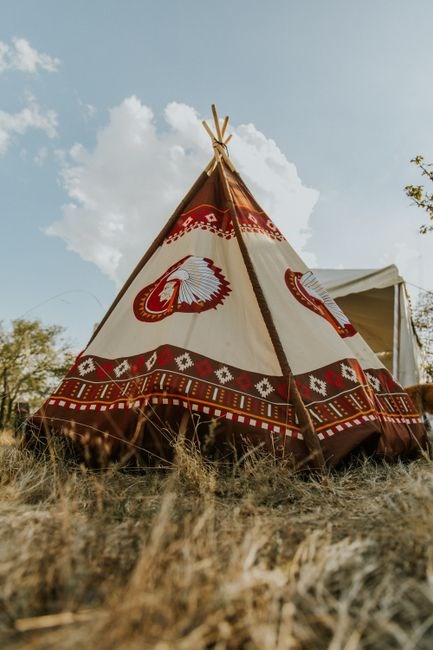
Sources and Platforms for Download
Free printable Native American worksheets PDF can be found on Teachers Pay Teachers’ free collections, the National Museum of the American Indian’s educational portal, and various non‑profit education sites. Each platform offers downloadable PDFs with answer keys, ready for classroom use. for all ages.!!!
Teachers Pay Teachers (TPT) Free Collections
Teachers Pay Teachers hosts a robust selection of free printable Native American worksheets in PDF format, curated by educators who specialize in culturally responsive pedagogy. These resources span a wide array of topics, from historical timelines and tribal maps to vocabulary exercises and reading comprehension passages that highlight indigenous customs, ceremonies and contemporary issues. Each PDF is downloadable at no cost, and many include comprehensive answer keys, enabling quick assessment and feedback. The platform’s search filters allow teachers to narrow results by grade level, subject area, and skill focus, ensuring that the materials align with curriculum standards and classroom objectives. Additionally, the community-driven nature of TPT means that educators can leave comments, rate resources, and share adaptations, fostering a collaborative environment that continually refines and expands the available content. By leveraging TPT’s free collections, teachers can enrich their social studies units with authentic, engaging materials that promote awareness, understanding, and appreciation of Native American cultures while supporting diverse learning styles and assessment needs.
Educators can remix PDFs, inserting images or local stories to personalize lessons. The free files encourage experimentation, allowing teachers to adapt difficulty levels, add interactive elements, or combine worksheets into themed units. This flexibility supports differentiated instruction and keeps learning dynamic for all students.All ages!!OK
National Museum of the American Indian Resources
Students and educators can access a wealth of free PDF worksheets from the National Museum of the American Indian (NMAI). The museum’s online portal offers downloadable activities that cover tribal histories, cultural practices, and contemporary issues, all presented in engaging, student‑friendly formats. Each worksheet is accompanied by an answer key, enabling quick self‑assessment or teacher grading. The resources are organized by grade level and thematic unit, making it easy to integrate them into existing social‑studies curricula. For example, a 5th‑grade student might use a map‑matching activity that highlights the geographic distribution of major tribes, while a high‑school class could tackle a comparative essay prompt that examines the impact of federal policies on indigenous communities. The NMAI also provides supplemental materials such as primary‑source excerpts, photographs, and audio clips that can be embedded into the PDFs to enrich the learning experience. Because the files are available for free, schools with limited budgets can still offer high‑quality, culturally responsive content. Teachers can download, print, and distribute the worksheets in a single click, and the museum’s ongoing updates ensure that the content remains current and relevant. By incorporating NMAI’s free printable worksheets, educators promote cultural literacy, critical thinking, and a deeper appreciation for the diverse histories that shape the United States. These PDFs are downloadable in high resolution, ensuring crisp printouts for classroom use!
Educational Non‑Profit Websites and PDFs

The educational non‑profit sector offers a variety of free PDF worksheets that focus on Native American history, culture, and contemporary issues. Organizations such as the Native American Education Foundation, the American Indian College Fund, and the Indigenous Education Coalition provide downloadable activities that are aligned with Common Core standards and designed for grades K‑12. These PDFs often include interactive maps, timeline exercises, vocabulary drills, and short reading passages that feature primary sources like treaty documents, oral histories, and photographs. Each worksheet is accompanied by a detailed answer key, allowing teachers to quickly assess student understanding or to use the materials for self‑study. Many of these resources are available in multiple languages, including Spanish and Navajo, to support bilingual classrooms and promote linguistic diversity. The non‑profit sites also host teacher guides that explain how to integrate the worksheets into lesson plans, suggest extension activities, and offer assessment rubrics. Because the materials are free, schools can distribute them widely without incurring additional costs. The PDFs are high‑resolution and print‑ready, ensuring that the images and text remain clear when printed in large or small formats. By leveraging these non‑profit resources, educators can provide culturally responsive instruction that honors the heritage of Native American peoples while meeting academic objectives. Additionally, many of these organizations collaborate with tribal partners to ensure accuracy and cultural sensitivity, providing students with authentic perspectives that go beyond textbook narratives. The free nature of these PDFs also encourages parents and community members to engage in learning at home, fostering a broader appreciation for indigenous contributions to American society.

Practical Use in the Classroom
Teachers can embed free printable Native American worksheets into lesson plans, using them for assessment. PDFs are print‑ready, include answer keys, and can be customized for different grade levels. Resources support culturally responsive teaching for all ages !
Lesson Planning with Worksheets
When integrating free printable Native American worksheets into a curriculum, begin by aligning each activity with state or national standards that emphasize cultural literacy, historical inquiry, and critical thinking. Select worksheets that feature timelines, maps, or narrative passages, then design pre‑lesson questions that activate prior knowledge about indigenous peoples, such as “What are some common themes found in Native American storytelling?” or “How do geographical features influence cultural practices?” After the worksheet, facilitate a debriefing session where students compare their answers, discuss discrepancies, and reflect on how the activity deepened their understanding of cultural diversity. Incorporate formative assessment by using the included answer keys to provide immediate feedback, while also encouraging peer‑review sessions where students explain reasoning behind their choices. For differentiated instruction, offer tiered worksheets that vary in complexity—basic matching tasks for younger learners and analytical essay prompts for advanced students—ensuring that all learners can engage meaningfully. To reinforce retention, schedule a follow‑up project that requires students to create a visual representation (e.g., a map or a digital story) based on the worksheet content, thereby applying knowledge creatively. Finally, document student progress in a portfolio, noting how each worksheet contributed to a broader narrative about Native American history, traditions, and contemporary issues. This systematic approach transforms static printables into dynamic, standards‑aligned learning experiences that honor cultural heritage while meeting educational objectives.
Answer Key Integration and Assessment
When teachers download free printable Native American worksheets in PDF format, the accompanying answer key becomes a pivotal tool for both formative and summative assessment. First, after students complete the worksheet, the teacher can circulate the key to verify responses in real time, allowing instant correction of misconceptions about cultural facts or historical timelines. This immediate feedback loop supports mastery learning, as students can revise their work before moving on to the next activity. Second, the answer key can be repurposed as a rubric for peer‑review sessions; students compare their answers to the key, discuss reasoning, and provide constructive critique, fostering collaborative learning. Third, for higher‑stakes assessment, the key can be transformed into a scoring sheet where each correct answer earns points, and partial credit is awarded for partially correct explanations, thereby encouraging depth of understanding. Finally, the key’s data can inform instructional decisions: by aggregating scores across the class, teachers identify common gaps—such as misunderstandings about treaty dates or ceremonial practices—and adjust subsequent lessons accordingly. In this way, the answer key not only validates student work but also drives continuous improvement in curriculum design and student achievement.
Teachers can also use the answer key to prompt reflection, asking students to note a misconception corrected during the activity. This encourages metacognition and reinforces learning. Sharing the key with parents during conferences provides transparency, while the data informs differentiated instruction. Overall, the key transforms worksheets into dynamic assessment tools that support student growth and cultural understanding. Students thrive! Now!
Customization and Adaptation for Different Ages

Free printable Native American worksheets in PDF format are inherently flexible, allowing teachers to tailor content to a wide spectrum of age groups. For younger learners, designers often simplify language, incorporate pictorial clues, and reduce the number of questions per page. Colorful borders, larger fonts, and drag‑and‑drop matching activities help maintain engagement while reinforcing basic concepts such as tribal names or traditional clothing. Middle‑grade students can handle more complex tasks, such as filling in timelines, analyzing short passages, or completing word‑search puzzles that highlight cultural symbols. These worksheets introduce critical thinking by asking students to compare two tribes’ ceremonial practices or to identify cause‑and‑effect relationships in historical events. High‑school and college‑level materials shift toward analytical essays, data interpretation, and research prompts that require students to consult primary sources or scholarly articles. By layering difficulty and depth, the same PDF template can be reused across classrooms, with teachers simply adding or removing sections. Additionally, many platforms allow educators to edit the PDF directly, inserting age‑appropriate images or adjusting question wording. This adaptability ensures that the resource remains relevant, culturally respectful, and pedagogically sound for learners of all ages. Teachers can also use the worksheets as a scaffold for project‑based learning, where students create a multimedia presentation about a chosen tribe, integrating the PDF content with audio or video clips. Because the PDFs are downloadable, they can be printed in multiple copies for group work, or printed on both sides to save paper. Importantly, the PDFs can be annotated with culturally sensitive notes, ensuring that the representation of traditions remains accurate and respectful. By adjusting language complexity, visual density, and task demands, the same foundational worksheet can serve kindergarten through college, making it a versatile tool in any curriculum that values inclusive, culturally responsive education. Such flexibility also supports differentiated instruction, allowing teachers to provide enrichment for advanced students or additional support for those needing remediation.