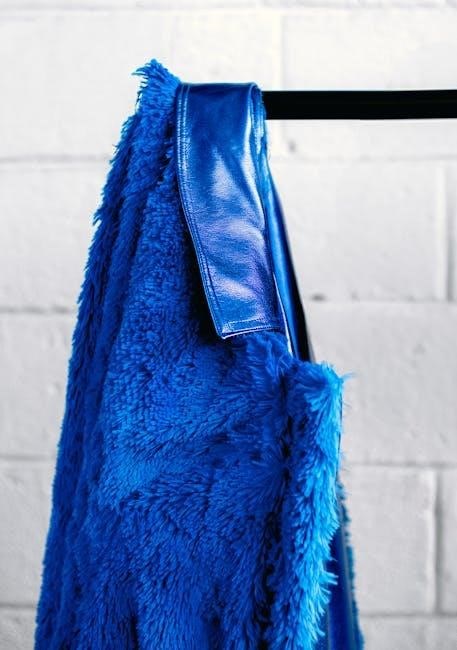
Minky couture washing demands a delicate approach to preserve its luxurious softness; avoid harsh treatments like high heat, bleach, and fabric softeners.
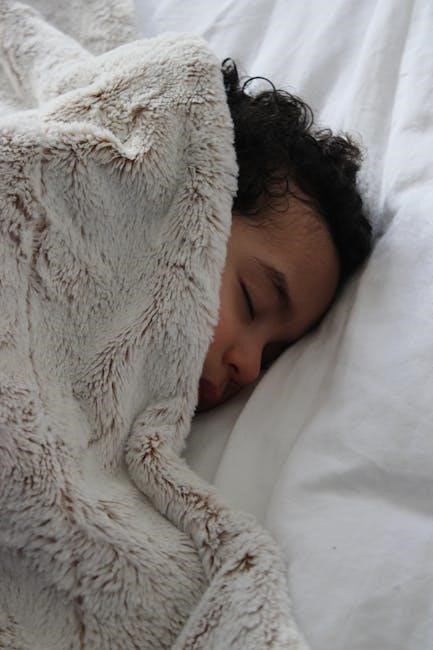
Proper care ensures longevity, preventing stickiness, pilling, and maintaining the fabric’s incredibly soft texture for years to come, treating it as a luxury item.
What is Minky Couture?
Minky couture refers to fabrics celebrated for their exceptionally soft, plush texture, often used in blankets, plush toys, and apparel. It’s a polyester knit fabric with a distinctive short, dense pile – though variations exist with longer piles. This luxurious feel is what defines it, making it a popular choice for items intended to provide comfort and a high-end sensory experience.
Unlike standard polyester, minky is specifically engineered for ultimate softness. It’s available in a wide array of colors and prints, adding to its versatility. Because of its delicate nature, understanding proper care is crucial to maintaining that coveted softness and preventing damage. It truly is a luxury item requiring special attention.
Why Proper Washing is Crucial
Proper washing is crucial for minky couture because incorrect methods can irrevocably damage its delicate fibers, diminishing its signature softness. Harsh detergents, high heat, and abrasive fabrics can cause pilling, matting, and a sticky residue. Fabric softener, surprisingly, is a major culprit behind that unpleasant stickiness, coating the fibers and reducing their plushness.
Ignoring care instructions can lead to a loss of texture and overall aesthetic appeal. Protecting your investment requires gentle handling, avoiding lint-heavy materials during washing, and prioritizing low-heat drying or air drying. Careful washing ensures your minky item remains a comforting luxury for years.
Pre-Washing Preparations
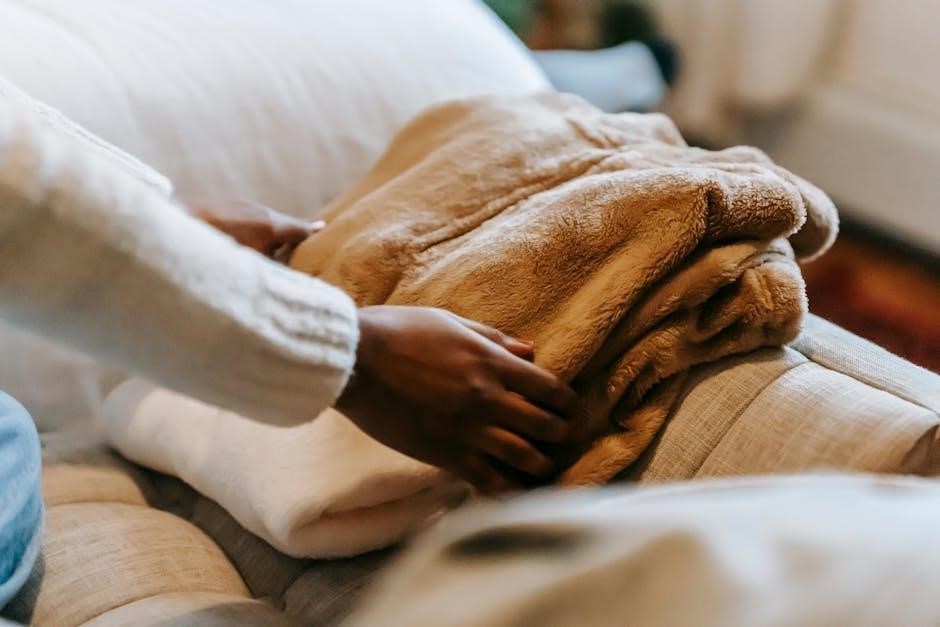
Before washing, check for colorfastness and address any stains gently. Protect embellishments to prevent damage during the washing process, ensuring longevity.
Checking for Colorfastness
Prior to the first wash, and especially with vividly colored minky couture, performing a colorfastness test is absolutely crucial. This simple step can prevent disastrous dye transfer and preserve the integrity of your cherished item. Take a hidden area – an inner seam is ideal – and gently dampen it with cool water.
Then, using a clean, white cloth, blot the dampened area. If any color transfers onto the cloth, it indicates the dye isn’t fully set. In this case, hand washing separately in cold water is highly recommended for the initial washes. Repeated testing can be done to monitor dye release, and always err on the side of caution to safeguard your minky couture’s vibrant colors.
Dealing with Stains Before Washing
Addressing stains promptly is key when caring for minky couture, as this delicate fabric can easily absorb liquids. Avoid harsh stain removers, as these can damage the fibers and alter the texture. Instead, opt for a mild detergent diluted in cool water, gently blotting the stain – never rubbing – with a clean, soft cloth.
For tougher stains, a paste of baking soda and water can be carefully applied, left for a short period, and then rinsed thoroughly. Always test any cleaning solution on an inconspicuous area first. Pre-treating stains before washing minimizes the need for aggressive cleaning during the wash cycle, preserving the minky’s signature softness.
Protecting Embellishments
Minky couture often features delicate embellishments like embroidery, appliques, or ribbons, requiring extra care during washing. Before laundering, carefully inspect these details and consider hand-washing the item to provide the gentlest cleaning. If machine washing, place the item inside a mesh laundry bag to shield embellishments from friction and snagging.
Turning the item inside out further protects these features. Avoid washing embellished minky with other items that could cause abrasion. Refrain from using harsh detergents or bleach, as these can fade or damage delicate additions. Air drying is always recommended to prevent heat-related damage to both the minky and its embellishments.
Machine Washing Minky Couture
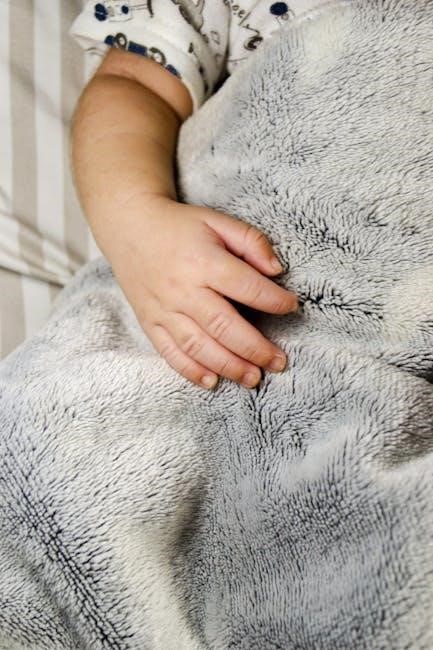
Machine washing minky couture requires warm water, a gentle cycle, and mild detergents; always avoid fabric softener and bleach to maintain softness and texture.
Water Temperature: Cold vs. Warm
Determining the ideal water temperature for washing minky couture is crucial for preserving its signature softness. While cold water is often recommended for delicate fabrics, several sources suggest warm water is acceptable – and even beneficial – for minky.
However, it’s paramount to avoid hot water entirely, as excessive heat can damage the fibers and potentially cause melting. If opting for warm water, ensure it’s a gentle, lukewarm temperature, not scalding. Always test a small, inconspicuous area first to confirm colorfastness and the fabric’s reaction to the warmth.
Ultimately, a gentle warm water wash, combined with a mild detergent, offers a balance between effective cleaning and fabric preservation, keeping your minky items luxuriously soft.
Detergent Selection: Mild is Key
Choosing the right detergent is paramount when caring for minky couture, as harsh chemicals can strip the fabric of its signature softness and potentially cause damage. The consensus across care guides emphasizes the necessity of using a mild detergent, specifically one formulated for delicate fabrics or baby clothes.
Avoid detergents containing harsh enzymes, bleach, or brighteners, as these can break down the minky fibers. Liquid detergents are generally preferred over powders, as powders may not dissolve completely and can leave residue.
Using a minimal amount of detergent is also crucial; excessive suds can be difficult to rinse out and contribute to a sticky texture. Prioritize gentle cleaning over aggressive stain removal to maintain the fabric’s luxurious feel.
Gentle Cycle Settings
Selecting the appropriate wash cycle is vital for preserving the integrity of minky couture. Experts consistently recommend utilizing the “gentle” or “delicate” cycle on your washing machine. This cycle employs slower agitation speeds, minimizing friction and reducing the risk of fiber damage or pilling.
Avoid cycles with vigorous wash actions, such as “normal” or “heavy duty,” as these can be too abrasive for the delicate minky fibers. Furthermore, opt for a cooler water temperature – cold or warm – to prevent shrinking or color fading.
A slower spin cycle is also beneficial, as it reduces wrinkling and stress on the fabric, contributing to its overall longevity and continued softness.
Avoiding Fabric Softener and Bleach
Both fabric softener and bleach are detrimental to the luxurious qualities of minky couture. Fabric softener leaves a coating on the fibers, resulting in a sticky or greasy texture, diminishing the fabric’s signature softness. This residue is difficult to remove and permanently alters the feel of the minky.
Bleach, even diluted, can weaken and damage the delicate fibers, leading to discoloration and a loss of plushness. It compromises the fabric’s structure and can cause irreversible harm.
Instead of these harsh chemicals, prioritize gentle detergents and proper washing techniques to maintain the minky’s exceptional softness and vibrant appearance.
Hand Washing Minky Couture
Hand washing minky couture involves gentle handling, using cold water and mild detergents, ensuring thorough rinsing to remove all soap residue for optimal softness.
Best Practices for Hand Washing
Begin by filling a clean sink or basin with cool water; warmer temperatures can potentially damage the delicate minky fibers. Add a small amount of mild detergent, specifically one designed for delicate fabrics, and gently swirl to distribute it evenly.
Submerge the minky couture item and gently agitate the water, avoiding harsh scrubbing or twisting motions. Allow it to soak for approximately 15-20 minutes, checking periodically to ensure the detergent is effectively cleaning without causing any damage.
Focus on gently squeezing the fabric to release dirt and grime, rather than rubbing vigorously. This minimizes the risk of matting or pilling. Remember, patience is key when hand washing minky – a gentle approach yields the best results, preserving its signature softness and luxurious feel.
Rinsing Thoroughly
After washing, complete rinsing is crucial to remove all traces of detergent, as residue can lead to a sticky or stiff texture. Drain the soapy water and refill the basin with cool, clean water. Gently submerge the minky couture item and repeat the squeezing motion used during washing, but without detergent.
Continue rinsing and draining until the water runs completely clear, indicating that all soap has been removed. This may require several cycles of rinsing, so be patient and thorough. Avoid wringing or twisting the fabric, as this can distort its shape and damage the delicate fibers.
Gentle pressing can help expel excess water, but always prioritize a delicate touch to maintain the minky’s plushness and prevent matting.

Drying Methods
Drying minky couture requires caution; air drying is safest, but low-heat tumble drying is acceptable, avoiding high heat to prevent melting or damage.
Air Drying: The Safest Option
Air drying is unequivocally the safest method for preserving the plushness and integrity of your minky couture items. Gently reshape the fabric after washing, and lay it flat on a clean, dry surface, or hang it on a plastic or padded hanger – avoiding wire hangers which can leave marks.
Direct sunlight should be avoided as it can potentially fade colors over time. Ensure good air circulation in the drying area to expedite the process. While it takes longer than machine drying, air drying minimizes the risk of overheating, shrinking, or damaging the delicate minky fibers, guaranteeing a consistently soft and luxurious feel. Patience is key for optimal results!
Tumble Drying: Low Heat Only
If tumble drying is preferred, exercise extreme caution. Always use the lowest heat setting possible – air fluff or delicate is ideal – and monitor the drying process closely. High heat is a significant risk, potentially melting or damaging the minky fibers, irrevocably altering the texture.
Consider adding clean, dry towels to the dryer to help absorb moisture and reduce drying time. Remove the minky item while it’s still slightly damp and finish air drying to prevent overheating. Remember, even low heat can be detrimental with prolonged exposure, so frequent checks are crucial for maintaining softness and preventing damage.
Avoiding High Heat and its Risks
High heat poses a substantial threat to minky couture’s delicate fibers. Exposure to elevated temperatures can cause irreversible melting, clumping, and a complete loss of the fabric’s signature plushness. This damage isn’t easily repaired, rendering the item unusable or significantly diminishing its quality.
Whether during machine drying or ironing, prioritize low or no heat settings. Always test a hidden area first to assess the fabric’s reaction. Ignoring this precaution can lead to a stiff, matted texture, a far cry from the desired luxurious feel. Protecting your investment means consistently avoiding high heat.
Ironing Minky Couture (If Necessary)
Ironing minky requires caution: always test heat on a scrap, use a low setting, and employ a pressing cloth to prevent melting or damage.
Temperature Settings and Testing
Before ironing your minky couture, a crucial step is always testing the iron’s temperature on a hidden scrap piece of the fabric. Minky is particularly sensitive to heat and can easily melt or become permanently damaged if exposed to too high a temperature. Start with the lowest possible heat setting – often labeled “synthetic” or “delicate.”
Gradually increase the temperature in small increments, testing after each adjustment. Observe the fabric closely for any signs of melting, distortion, or changes in texture. If you notice any adverse effects, immediately reduce the heat or discontinue ironing altogether. A pressing cloth, such as a clean cotton sheet or muslin, should always be placed between the iron and the minky surface to provide an extra layer of protection.
Using a Pressing Cloth
A pressing cloth is essential when ironing minky couture, acting as a protective barrier between the delicate fabric and the direct heat of the iron. This prevents potential melting or scorching, safeguarding the plush texture that defines minky. Opt for a clean, natural fiber cloth like cotton muslin or a thin cotton sheet – avoid synthetic materials that could transfer heat unevenly.
Place the pressing cloth directly over the minky surface, ensuring complete coverage. Gently press the iron over the cloth, using a light and even motion. Avoid prolonged contact in one spot, as this can still cause damage. Regularly check the cloth for any signs of discoloration or melting, replacing it if necessary to maintain optimal protection during the ironing process.
Specific Minky Types & Care
Different minky types—short, long pile, and printed—require similar gentle washing, but printed minky may benefit from cooler water to preserve vibrant colors.
Short Pile Minky
Short pile minky, known for its smooth and velvety texture, is generally quite durable and relatively easy to care for, but still requires gentle handling during washing.
Machine washing is suitable using cold or warm water and a mild detergent, avoiding fabric softener to prevent a sticky residue. A gentle cycle is crucial to minimize friction and maintain the fabric’s integrity.
Due to its tighter weave, short pile minky is less prone to pilling than longer pile varieties, but lint from other fabrics should still be avoided during washing and drying. Air drying is preferred, but low-heat tumble drying is acceptable.
Ironing, if needed, should be done on a low setting with a pressing cloth to protect the fibers.
Long Pile Minky
Long pile minky, with its exceptionally plush and soft texture, demands extra care during washing to prevent matting and maintain its luxurious feel. Gentle handling is paramount throughout the entire process.
Machine washing is possible on a delicate cycle with cold water and a mild detergent, but hand washing is often recommended for optimal preservation. Avoid any harsh chemicals like bleach or fabric softener, which can damage the fibers.
When drying, air drying is the safest option to prevent matting. If tumble drying, use the lowest heat setting and consider adding dryer balls to help fluff the fabric. Avoid washing with lint-heavy items.
Regular brushing can help maintain the pile’s loft and prevent it from becoming flattened.
Printed Minky
Printed minky requires particularly cautious washing to safeguard the vibrancy and integrity of its design. The printing process can make it more susceptible to fading or cracking with harsh treatments.
Always opt for cold water and a gentle cycle when machine washing, utilizing a mild detergent specifically designed for delicate fabrics. Hand washing is an excellent alternative, offering even greater control and gentleness.
Avoid fabric softener and bleach entirely, as these can compromise the print quality. When drying, air drying is highly recommended to prevent fading and distortion. If using a dryer, select the lowest heat setting.
Turn the fabric inside out before washing to further protect the printed surface.
Troubleshooting Common Issues
Addressing minky issues like stickiness, loss of softness, or pilling requires gentle solutions; avoid harsh chemicals and prioritize low heat during drying.
Minky Feels Sticky After Washing
A sticky texture on minky after washing is a common concern, often stemming from residue left behind by detergents or, more frequently, fabric softener. Fabric softener coats the fibers, diminishing their natural softness and creating that unpleasant tackiness.
To remedy this, rewash the minky item without any fabric softener. Consider adding a cup of white vinegar to the rinse cycle; vinegar acts as a natural fabric softener and helps to neutralize detergent buildup. Ensure a thorough rinse to remove all traces of vinegar.
If stickiness persists after a second wash, a cooler water temperature might be necessary for the next attempt, as warmer water can exacerbate residue issues. Avoid overloading the washing machine, allowing for proper rinsing.
Minky Loses Softness
If your minky couture loses its signature softness, several factors could be at play. Harsh detergents, high washing temperatures, and especially fabric softener are primary culprits. Fabric softener, while seemingly beneficial, actually coats the fibers, reducing their plushness over time.
To restore softness, rewash the item using a mild detergent and cold water. Skip the fabric softener entirely! A thorough rinse is crucial to remove all detergent residue. Consider adding ½ cup of baking soda to the wash cycle to help revitalize the fibers.
Air drying, rather than tumble drying on high heat, will also help preserve the minky’s delicate texture and prevent further softening loss.
Pilling and How to Address It
Pilling on minky couture, those small balls of fiber on the surface, is a common occurrence, especially with frequent use and washing. It doesn’t necessarily indicate damage, but it can affect the fabric’s smooth texture. Avoid washing minky with lint-heavy fabrics like towels, as these fibers contribute to pilling.
To address existing pills, gently use a fabric shaver or a sweater comb to carefully remove them. Avoid pulling or cutting the pills, as this can damage the fabric. Preventative measures include washing minky inside out and using a gentle cycle with mild detergent.
Regular, gentle care minimizes pilling and keeps your minky looking and feeling its best.
Long-Term Minky Care & Storage
For lasting softness, store minky couture in breathable bags, avoiding airtight containers. Gentle washing and proper storage maintain its luxurious feel over time.
Proper Storage Techniques
Maintaining the plushness of your minky couture relies heavily on how it’s stored when not in use. Avoid compressing the fabric for extended periods, as this can mat the fibers and diminish its signature softness. Opt for breathable storage solutions like cotton garment bags or muslin wraps, allowing air circulation.
Steer clear of plastic bags or airtight containers, which can trap moisture and potentially lead to mildew or a stale odor. For blankets or larger items, loosely folding is preferable to tightly rolling. Consider using cedar sachets or lavender pouches to naturally deter moths and keep your minky couture smelling fresh. A cool, dry, and dark closet is the ideal storage environment, protecting the fabric from fading and damage.
Maintaining Softness Over Time
Preserving the exceptional softness of minky couture isn’t just about washing; it’s a continuous care process. Regular, gentle washing – avoiding harsh detergents, fabric softeners, and high heat – is paramount. After washing, ensure the fabric is thoroughly dried, preferably by air drying to prevent fiber damage.
Minimize friction by storing minky away from abrasive materials. Lightly fluffing the fabric periodically can help restore loft and prevent matting. Addressing pilling promptly with a fabric shaver will maintain a smooth texture. Remember, treating minky as a luxury item, with consistent gentle handling, will ensure its delightful softness endures for years, providing lasting comfort and enjoyment.